
Is Jackson tap water safe to drink? What the latest test data shows
It reads the 2025 Water Quality Report and the state's 2026 records instead of headlines, quotes each agency with dates, and shows how to judge the water at your own tap.
Maredes designs compact water filtration and recycling systems for homes, hotels and small commercial buildings.
The Pearlbank Hotel is a fictional 96-room hotel. A water review starts with a balance like this one. Switch to reuse to see laundry rinse water, rain and condensate do a second job.
Laundry rinse water400 gallons a day filtered and sent back to the next wash.
Rain and condensate900 gallons a day on average, stored for irrigation.
City water10,000 gallons a day before any reuse.8,700 gallons a day, 13% less.
Example (fictional). Daily averages for a 96-room hotel at 70% occupancy. End-use shares follow EPA WaterSense figures for hotels; reuse volumes come from this site's laundry, rainwater and condensate calculators. Read the full example.
Most systems are built from five kinds of stage, chosen and sized from a lab test of the actual water. A home may need two; a reuse system needs all five.
Chlorine taste and odor, and many organic chemicals, by certified claim.
Drinking water systemsOne building at a time, with equipment sized to fit a closet, a mechanical room or a pad outside. All building types.
City water or a private well, matched to a lab test.
Point-of-entry treatment and shared laundry rooms.
Laundry rinse water, condensate and rain, used again.
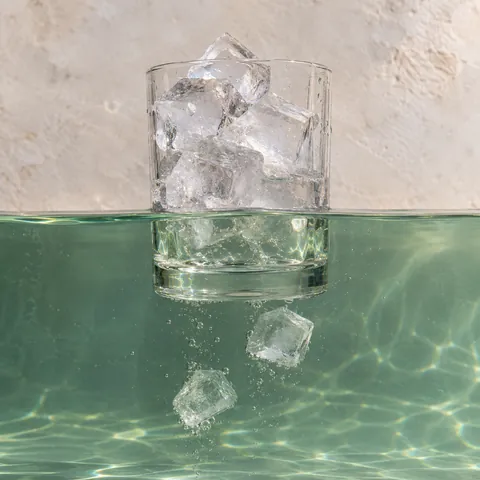
Ice, coffee and dish lines that need steady water.
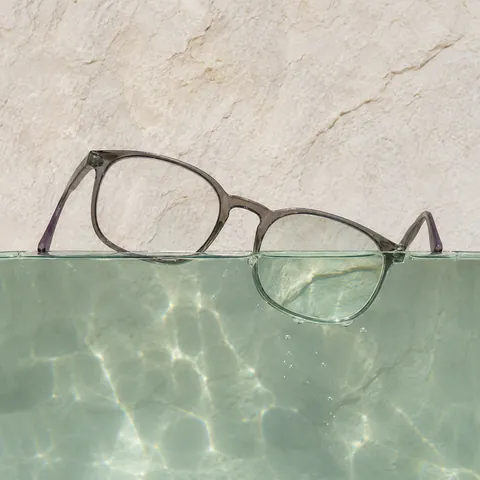
Clinics, salons, gyms and laundromats.
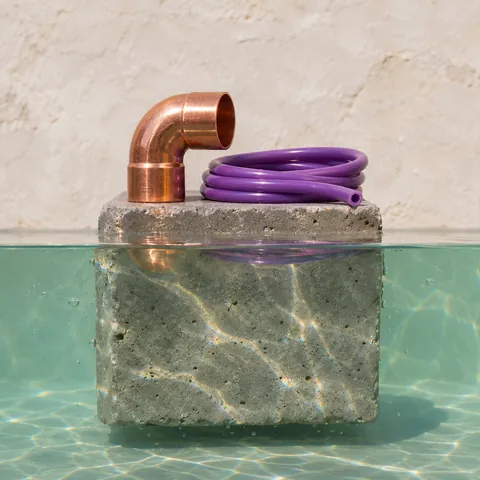
Reuse-ready plumbing planned before the walls close.
Six steps, each with a written result. You can stop after the water review or the design. How we work and engagements.
Bills, fixtures and a walk through the building.
Samples analyzed by a certified laboratory.
Drawings, an equipment list and code notes.
By a licensed plumbing contractor, coordinated by us.
Flushing, settings and a verification test.
Filter changes, sampling and plain reports.
Long reads on drinking water, reuse and building water, with every claim checked against its source. All 25 articles.
It reads the 2025 Water Quality Report and the state's 2026 records instead of headlines, quotes each agency with dates, and shows how to judge the water at your own tap.
Compare a lab report with EPA limits.
How much flushing your showers can cover.
What a roof collects in Mississippi rain.
What to do during and after a notice.
Gallons per occupied room, and where they go.
Which treatment matches which problem.
Tell us about the building: what it is, who uses it, where the water comes from and what you would like to change. We reply with questions and a time to walk the building with you.